Slide Up Display Box: A 3D SVG Asset for Objects with Visual Impact
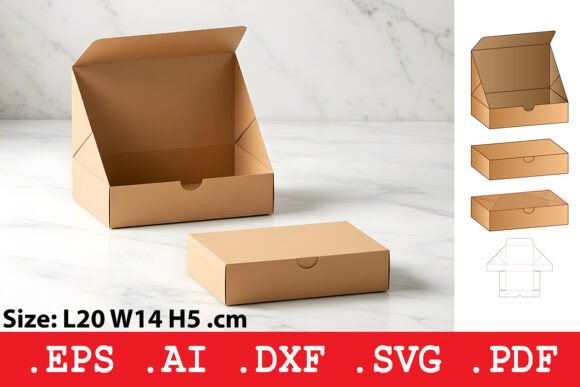
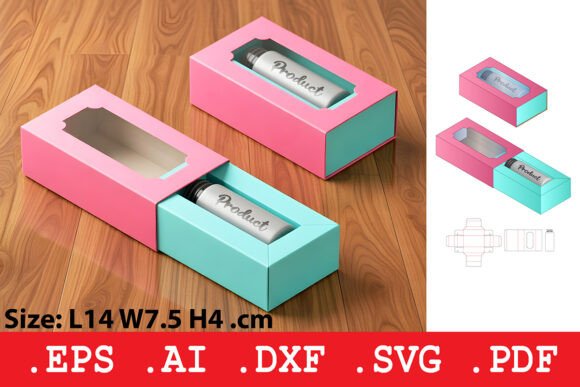
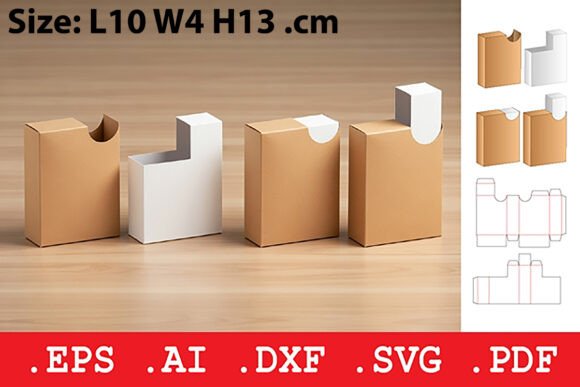
When evaluating a design asset like Slide Up Display Box, I always start by looking at the first impression it makes. As an experienced graphic designer working across brand identity, product packaging, and digital content creation, I need assets that are not only visually compelling but also functional in real-world applications. The Slide Up Display Box immediately caught my attention with its unique structural form — a front curved cut-out notch that folds inward to create an angled display step. This detail alone suggests a level of sophistication and purpose that goes beyond basic packaging templates.
Elevating Product Presentation with a Modern Edge
The visual mood created by Slide Up Display Box is clean yet dynamic. It’s not just a box; it’s a display solution that lifts the product slightly from the surface, making it stand out on shelves or countertops. For a handmade business or boutique product line launching on Etsy or through a print-on-demand platform, this kind of packaging can be a game-changer. It adds a sense of professionalism while maintaining a creative and contemporary feel — perfect for brands aiming to blend modern design with artisanal charm.
This design naturally fits into projects where presentation matters. Think seasonal campaigns, local events, or product launches that rely heavily on packaging design to communicate quality and attention to detail. Its angled feature offers more than just aesthetics; it serves as a practical enhancement that can improve visibility and accessibility without compromising style.
A Versatile Design Asset for Brand Identity and Marketing Materials
As a graphic design asset, Slide Up Display Box has proven itself adaptable across multiple platforms and uses. Whether incorporated into product mockups for client proposals, used as a decorative accent in social media graphics, or part of a themed collection for an online store, it brings a polished touch that aligns well with brand identity efforts. The 3D structure gives it a tactile feel even in digital formats, which is especially valuable when creating visuals for editorial design or Pinterest pins where depth and realism are key.
In logo design or product labels, the box can serve as a supporting element rather than a focal point, helping to reinforce the brand’s commitment to quality and innovation. It works particularly well in hero graphics or large layout areas where it can be scaled up to make a bold statement. On the flip side, if you're working with minimalist branding or corporate materials, this asset may require careful integration to avoid overwhelming the design hierarchy.
Performance in Real-World Client Projects
I tested Slide Up Display Box across several use cases relevant to small businesses and digital sellers. In a Canva template for a handmade candle brand, the box helped elevate the product photo by adding dimension and context. When used in web design for a product landing page, it provided a subtle yet effective way to showcase the item in a realistic setting, improving visual trust and engagement.
- Product Mockups: The 3D SVG format allows for easy customization and seamless layering with product images, making it ideal for high-quality printable designs.
- Social Media Graphics: When placed behind a product shot in an Instagram post or Pinterest pin, it creates a layered look that feels more curated and professional.
- Cricut Projects: As a die-cut element, it could work beautifully in a sticker design or wall art project, especially for crafters who value both form and function.
- Editorial and Packaging Design: The angled display step is useful in packaging details for items like jewelry, stationery, or small accessories, offering a fresh take on traditional flat-pack structures.
One of the standout qualities of this design is how it enhances the emotional appeal of a project. It conveys thoughtfulness and care — traits that resonate with customers shopping for handmade products. That said, it's important to consider the audience and message before using it in all contexts. For example, in a high-end fashion editorial piece, the box might clash with a more refined aesthetic unless styled carefully.
Where Slide Up Display Box Works Best
This asset shines in scenarios that benefit from visual storytelling and spatial awareness. Here are some of the best applications based on my experience:
- Large Layout Areas: The intricate fold lines and 3D elements are most visible and impactful when given enough space.
- Hero Graphics: Use it as a central component in marketing visuals or website banners to draw attention to your product.
- Printable Designs: Ideal for print-on-demand sellers looking to add a premium touch to their product displays.
- Themed Collections: Perfect for holiday campaigns, gift guides, or seasonal promotions where cohesive visual elements matter.
- Supporting Brand Elements: Can be subtly included in brand guidelines or used as part of a design bundle to maintain consistency across packaging and promotional materials.
Use with Caution in These Situations
While Slide Up Display Box is versatile, there are specific situations where it should be applied carefully:
- Small Sizes: The detailed cut-out and folding instructions become less clear when scaled down, potentially reducing legibility and effectiveness.
- Crowded Layouts: In complex compositions with many elements, this asset might get lost or compete for attention, disrupting the visual hierarchy.
- Low-Contrast Designs: Without proper contrast against the background, the box can appear flat or unnoticeable, defeating its purpose as a display tool.
- Professional Corporate Materials: If your project leans towards formal or conservative branding, this more playful design may not fit the tone.
Readability, Hierarchy, and Brand Consistency
From a readability standpoint, the asset doesn’t interfere with text or logos when positioned correctly. However, its placement within the visual hierarchy requires consideration. Used too prominently, it can distract from the main message; used too subtly, it won’t contribute much to the overall design impact.
For brand consistency, I recommend integrating the box into a broader set of design assets. Pair it with matching SVG designs, clipart, or illustrations that reflect the same visual language. This helps create a unified look across packaging, social media posts, and product mockups, reinforcing brand recognition and trust.
Emotionally, the box evokes a sense of craftsmanship and intentionality. That makes it a strong candidate for design assets aimed at lifestyle, wellness, or luxury niche markets. It’s also great for digital ads and Instagram posts where visual appeal directly influences customer engagement.
Designer Notes: What to Check Before Going Commercial
Before using Slide Up Display Box in a client project, here are some practical checks I recommend:
- Test in Black and White: Ensure the shape and structure remain clear and legible without color.
- Check Contrast on Light and Dark Backgrounds: This will help determine how well it stands out in different environments.
- Preview at Small and Large Sizes: Confirm scalability so it performs well in everything from flyers to billboards.
- Place on Real Mockups: Try it with actual product photos to see how it enhances the presentation.
- Test Print Quality: If printed, ensure the paper stock and ink compatibility don't compromise the delicate curves or folds.
- Review File Formats: Make sure the 3D SVG file is editable and includes any necessary PNG transparency layers for overlay use.
- Font Compatibility: I tested it with serif, sans-serif, script, handwritten, and display fonts — it pairs best with modern sans-serifs and bold display typefaces.
- Confirm Commercial Licensing: Always verify the commercial license covers your intended use, especially for print-on-demand or creative marketplace sales.
Why Slide Up Display Box Is a Valuable Addition to Your Toolkit
After thorough evaluation, I believe Slide Up Display Box is a solid addition to a professional designer’s library of commercial design tools. It bridges the gap between utility and creativity, making it suitable for both packaging and digital design needs. Its ability to enhance shelf presence and visual storytelling is particularly beneficial for small business branding, where every detail contributes to the customer’s perception of quality.
Whether you're crafting editorial layouts, designing sticker packs, or building a product mockup for an online launch, this asset brings a level of polish that elevates the final output. Just remember to balance its visual weight and ensure it complements rather than competes with other design elements.
If you're considering a new graphic design asset that can support both digital and physical branding, Slide Up Display Box is worth exploring. With thoughtful application, it can help your next client project stand out in a crowded market — turning simple packaging into a memorable brand experience.