Cross Box Card SVG Review: A Designer’s Take on Easter Embroidery
When I first opened the Cross Box Card SVG, my initial reaction was one of cautious optimism. As a designer who spends hours scrutinizing stitch paths and evaluating how digital files translate into physical products, I don’t get excited about every new download. However, this file struck a chord. It isn’t just another generic religious symbol or a basic holiday graphic; it has structural integrity and a specific visual personality that suggests it was created with actual production in mind. For those of us in the craft business, whether we are running a boutique Etsy shop or creating personalized gifts for family, the difference between a design that looks good on screen and one that stitches beautifully is everything.
First Impressions and Visual Personality
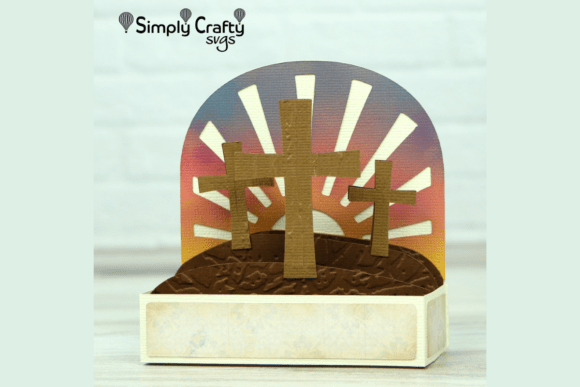
The mood of the Cross Box Card SVG is warm, inviting, and distinctly seasonal without being overly cluttered. The layered cross design creates a sense of depth that is crucial for modern embroidery trends. In an era where customers are drawn to "3D" effects and dimensional textures, this design offers that pop-up aesthetic in a flat, stitched format. The layout feels balanced, with enough negative space to allow the eye to rest, yet detailed enough to feel substantial on fabric.
What stands out immediately is the clean geometry. The box card concept implies structure, and the cross itself is rendered with lines that suggest both strength and elegance. This isn’t a fragile, wispy design; it has weight. For a small business owner, this translates to a product that feels premium. When you hand a customer a tote bag or a sweatshirt featuring this design, the visual weight of the embroidery matches the perceived value of the garment. It avoids the "cheap print" look that plagues many lower-quality digital embroidery files.
Real-World Application: From Screen to Stitch
Let’s talk about how this machine embroidery design performs in real-life scenarios. I recently considered using this Cross Box Card SVG for a custom order—a set of baby onesies for an Easter gift. The challenge with baby items is always balance; you want something meaningful but not overwhelming. Because this design is contained within a box-like structure, it lends itself perfectly to center-chest placements or even smaller pocket areas. The 3D SVG nature of the file means that when stitched, the overlapping layers will create natural shadows and highlights, adding sophistication to what could otherwise be a simple motif.
I also envision this working exceptionally well as an embroidered patch for denim jackets or canvas totes. The structured edges of the box card provide a natural border, reducing the need for excessive stabilizer or complex edge finishes. For an Etsy seller looking to expand their inventory beyond standard holiday greetings, this design offers a unique angle. It bridges the gap between traditional faith-based imagery and modern, minimalist home decor. Imagine this stitched onto a linen tea towel or a pillow cover for a nursery. The contrast between the soft fabric texture and the precise satin stitches would create a tactile experience that online shoppers can only dream of.
Where to Exercise Caution
No design is perfect for every situation, and honest review requires pointing out limitations. While the Cross Box Card SVG is robust, there are specific contexts where it might struggle. If you plan to use this on highly textured fabrics like chunky knits or bouclé wool, the fine details of the inner cross layers may get lost. The stitching needs a relatively smooth surface to maintain its clarity. Similarly, if you are working with thin, stretchy fabrics like lightweight jersey, you must be vigilant about hoop burn and distortion. The density of the fill stitches required to create the "pop" effect can pull on delicate materials if not stabilized correctly.
Another area to watch is small hoop sizes. While the design is versatile, attempting to shrink it too far down can compromise the integrity of the satin stitches. Tiny lettering or intricate corner details might merge together, turning a crisp design into a muddy blob. I recommend testing this digital embroidery file at your smallest intended size before committing to a full run of custom apparel. Also, consider the background color carefully. On dark fabrics, the design will rely heavily on thread contrast to read clearly. On light fabrics, you have more freedom, but ensure your thread selection doesn’t wash out the subtle layering effects.
Impact on Product Value and Brand Consistency
Using a high-quality design like the Cross Box Card SVG directly impacts customer trust. In the world of handmade products, presentation is half the battle. A well-executed embroidery project signals professionalism. When a buyer sees that the stitches are even, the colors are vibrant, and the design sits flush against the fabric, they perceive higher value. This is particularly important for commercial embroidery projects where margins are tight and competition is fierce.
This design also enhances brand consistency. Its clean lines and structured form fit well within a broader aesthetic of modern, faith-inspired lifestyle brands. Whether you are creating a line of holiday embroidery collections or expanding into everyday carry items like aprons and kitchen towels, this SVG provides a cohesive visual anchor. It allows you to market your products not just as crafts, but as thoughtful, well-designed assets. For craft business owners, this means easier marketing angles—you aren’t just selling a cross; you are selling a piece of art that fits into a curated home.
Practical Notes for the Embroidery Designer
Before you load this file into your machine, there are several technical steps you should take. First, always test the Cross Box Card SVG on scrap fabric that matches your final project material. Check the stitch density; if the design feels too dense, you may encounter needle breakage or puckering. Adjust the tension if necessary. Second, inspect the small details closely. Zoom in on your digitizing software to ensure that no paths are overlapping incorrectly or that no tiny segments are floating unattached.
Thread color selection is critical. Since this is a layered design, choose threads that complement rather than clash. A monochromatic scheme can look sleek and modern, while contrasting colors can emphasize the 3D effect. Don’t forget to check your hoop size constraints. Ensure the design fits comfortably within your machine’s maximum dimensions, leaving room for maneuvering the fabric. Finally, verify the licensing terms. If you intend to sell finished products made from this file, confirm that the license allows for commercial use. Many creators offer different tiers for personal versus commercial projects, so protecting your small shop product line starts with understanding these rights.
Final Thoughts
The Cross Box Card SVG is a standout addition to any designer’s library, especially for those focusing on spring and Easter themes. It offers a blend of emotional resonance and technical precision that appeals to a wide audience. By approaching it with careful planning—testing on appropriate fabrics, choosing the right threads, and respecting the limits of your equipment—you can create finished products that are not only beautiful but durable and marketable. For the discerning maker who values quality over quantity, this design delivers exactly what is needed to elevate a simple embroidered project into a memorable keepsake.