Jointed Werewolf SVG: A 3D Halloween Editorial Asset Review
In the world of digital publishing, visual assets are not merely decorative; they are functional tools that dictate user engagement, brand perception, and content hierarchy. As a blog designer who has spent years optimizing editorial layouts for high-traffic affiliate sites and niche publishers, I approach every new design asset with a critical eye. Does it enhance readability? Does it support the brand identity? And most importantly, does it convert?
This review focuses on the Jointed Werewolf SVG, a layered paper-craft template designed to bring spooky fun to your Halloween décor. While its primary description suggests physical crafting, its potential as a graphic design asset for digital content marketing is significant. Below, I break down how this 3D SVG fits into real-world publishing workflows, from featured images to downloadable lead magnets.
First Impressions: Editorial Mood and Visual Communication
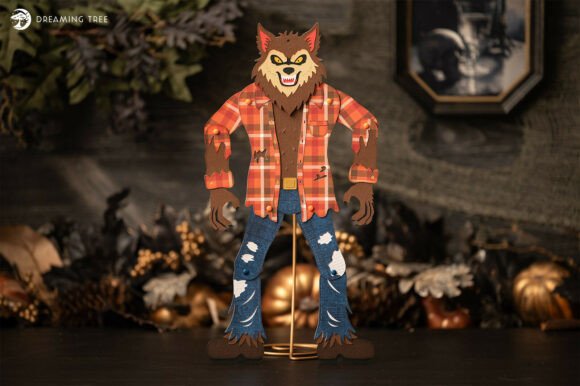
When you first load the Jointed Werewolf SVG file, the immediate takeaway is its structural complexity. Unlike flat vector illustrations that can feel generic, this asset features articulated joints and layered depth. This creates a "paper-craft" aesthetic that feels tactile and handmade. In an era where users scroll through hundreds of polished, corporate-style graphics, a design that mimics physical texture and craftsmanship stands out.
The mood created by this asset is distinctly playful yet artistic. It avoids being overly cartoonish or childish, which allows it to bridge the gap between lifestyle blogs and more serious creative niches. The classic flannel-wearing werewolf archetype provides instant cultural recognition without requiring explanatory text. For publishers, this means faster cognitive processing for the reader—the brain recognizes the theme immediately, allowing the headline to do the heavy lifting. This efficiency is crucial for maintaining reader trust and reducing bounce rates on seasonal content.
Integrating the Asset into Real Publishing Workflows
A common mistake bloggers make is treating seasonal assets as one-off decorations. However, a well-chosen design asset like the Jointed Werewolf SVG can be repurposed across multiple touchpoints in your content funnel. Here is how I recommend integrating it into your editorial strategy:
- Blog Featured Images: Use the full layered composition as a hero image for October-themed posts. The depth of the 3D SVG works exceptionally well when paired with a dark, moody background, creating a strong focal point that draws the eye before the reader even sees the title.
- Pinterest Pins: Pinterest is a visual search engine. Create vertical pins (2:3 ratio) using the werewolf as the central anchor. Because the design is intricate, it stops the scroll more effectively than simple clip art. Add bold, sans-serif typography over negative space to maintain visual hierarchy.
- Digital Guides and Worksheets: If you offer a "Halloween Hosting Guide" or a "Spooky DIY Crafts eBook," use this SVG as the cover art. The layered look implies value and effort, making the digital product appear more premium than a standard Canva template.
- Newsletter Headers: Seasonal newsletters often suffer from low open rates due to generic imagery. Using this unique paper-craft style reinforces your brand identity as creative and detail-oriented, encouraging subscribers to click through to your latest affiliate recommendations.
- Social Media Graphics: Break the layers apart for Instagram stories or carousel posts. You can animate the jointed limbs slightly or use them as static elements in a "Day in the Life" series. This versatility maximizes the ROI on a single creative design purchase.
Impact on Content Performance and Reader Trust
Why does this specific asset matter for your bottom line? In content marketing, consistency breeds trust. When your website headers, social previews, and downloadable resources share a cohesive visual language, readers perceive your site as more professional and authoritative.
The Jointed Werewolf SVG supports stronger click-through potential by establishing clear category recognition. When a user sees this distinct paper-craft style, they immediately know they are entering a curated, creative space. This is particularly effective for affiliate marketing pages selling craft supplies, Halloween costumes, or home décor items. The visual cue primes the reader for a shopping experience, subtly increasing the likelihood of conversion.
Furthermore, the asset aids in building a memorable brand identity. By using unique design assets rather than stock photos, you differentiate your publication from competitors. This differentiation is key to long-term growth, as it encourages repeat visits and social shares. Readers are more likely to pin or share a graphic that looks custom-made and artistically rendered.
Strategic Placement and Design Considerations
Not every placement is equal. To get the most out of this commercial design asset, you must understand where it shines and where it might hinder usability.
Where It Works Best
- Hero Images and Website Headers: The detailed layers require screen real estate to be appreciated. Large formats allow the viewer to appreciate the articulation and texture.
- Editorial Accents: Use smaller versions of the cutouts as bullet points or section dividers in long-form articles. This breaks up text walls and adds a playful element to educational content.
- Downloadable Printables: Since the source is an SVG, it is perfect for users who want to print and assemble their own paper-crafts. Offering this as a freebie can significantly boost email list signups.
Where to Use Carefully
Conversely, there are scenarios where this asset may fail. Avoid using it in small mobile thumbnails where the intricate details will blur into noise. Similarly, steer clear of text-heavy blog images where the busy nature of the layered design competes with the copy. If your brand voice is strictly corporate or minimalist, this playful, textured asset may clash with your existing modern design system. Additionally, ensure you test the asset against light backgrounds; the contrast may be insufficient if not carefully managed.
Practical Publisher Notes for Implementation
Before deploying the Jointed Werewolf SVG across your platforms, follow these technical and legal checks to ensure a smooth workflow:
- Responsive Testing: Always preview the asset on desktop, tablet, and mobile screens. Check how it scales as a thumbnail and whether it obscures important navigation elements.
- Typography Pairing: Test the graphic alongside various font styles. It pairs well with bold serif fonts for a vintage editorial look, but also works with clean sans-serifs for a modern twist. Avoid script fonts that may clutter the visual field.
- Contrast and Readability: Ensure there is sufficient contrast between the graphic and the background. Use overlay shadows or solid color blocks behind text to maintain readability.
- File Optimization: Even though it is an SVG, complex layering can increase file size. Compress your final PNG exports for web performance to avoid slowing down page load times, which negatively impacts SEO.
- Licensing Verification: Confirm your commercial license before using the asset on monetized websites, affiliate pages, or paid content products. Most marketplaces allow commercial use, but restrictions vary, so always read the fine print to protect your business.
By treating the Jointed Werewolf SVG as a strategic component of your web design and editorial design toolkit, you transform a simple seasonal decoration into a powerful tool for audience engagement. Whether you are updating your Canva templates or designing a new lead magnet, this asset offers the depth and character needed to stand out in a crowded digital landscape.