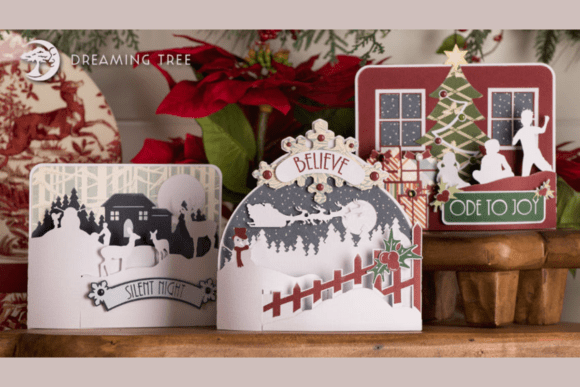
Christmas Bendi Cards SVG Bundle: 3D SVG for Holiday Content
As a digital publisher who has spent years refining blog aesthetics and optimizing editorial layouts, I approach every new design asset with a critical eye. It is not enough for a graphic to simply look "nice"; it must function within the ecosystem of a content website. It needs to support readability, enhance brand identity, and drive engagement without slowing down page load times or distracting from the core message. Recently, I evaluated the Christmas Bendi Cards SVG Bundle to determine its viability for real-world publishing workflows, ranging from affiliate marketing visuals to downloadable lead magnets.
The First Impression: Editorial Mood and Visual Impact
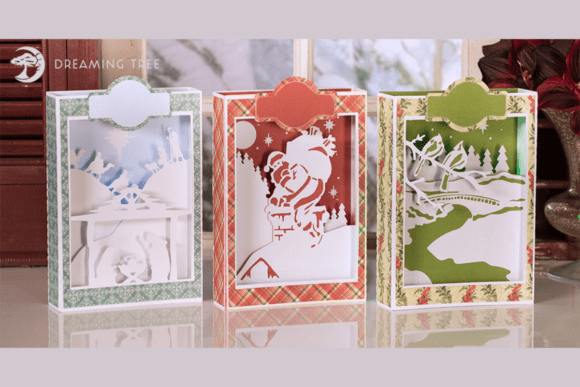
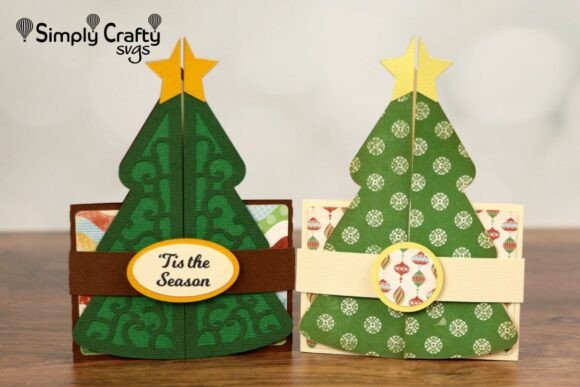
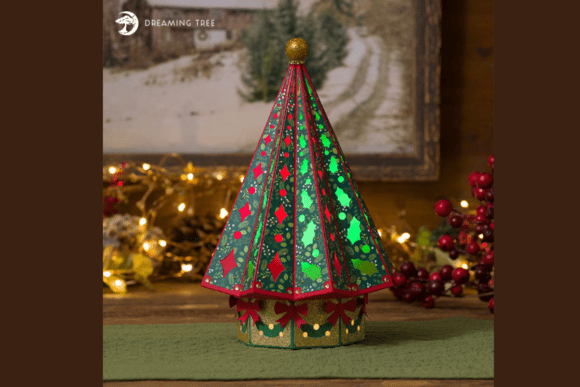
When you first open the Christmas Bendi Cards SVG Bundle, the immediate takeaway is its sophisticated dimensional quality. Unlike flat vector graphics that can sometimes feel sterile or generic, these cards utilize a bendi-style layering technique. This creates a subtle depth that mimics physical stationery, offering a tactile visual cue even on a screen. The design language leans toward the playful yet polished, striking a balance between festive cheer and modern elegance.
For bloggers and content creators, this aesthetic is particularly valuable because it bridges the gap between lifestyle photography and graphic design. It feels less like a clip-art decoration and more like an intentional editorial element. This matters significantly for reader trust. When your visual assets look cohesive and high-quality, readers subconsciously perceive the content behind them as more credible. The bundle naturally supports niches such as home decor, holiday gift guides, family-oriented lifestyle blogs, and creative small business branding. It avoids being overly childish or cluttered, making it suitable for a wide range of seasonal campaigns.
Integrating the Asset into Real Publishing Workflows
In my daily workflow, I constantly search for versatile graphic design assets that can be repurposed across multiple platforms. The layered nature of this 3D SVG collection makes it exceptionally adaptable. Here is how I would integrate these files into a comprehensive content strategy:
- Blog Featured Images: Use the largest card layers as background elements or foreground accents in your article headers. The depth adds visual interest that stands out in crowded RSS feeds and social media shares.
- Pinterest Graphics: Pinterest is a highly visual search engine. These cards provide a perfect frame for text overlays. Because they are vector-based, you can scale them to the ideal 2:3 aspect ratio for pins without losing resolution, ensuring crisp edges on mobile devices.
- Email Newsletter Headers: A consistent visual theme helps with subscriber retention. Placing a bendi-style card graphic at the top of a holiday-themed newsletter reinforces the seasonal mood and breaks up text blocks effectively.
- Digital Guides and Lead Magnets: If you are creating a downloadable PDF, such as a "Holiday Hosting Checklist" or a "Gift Guide eBook," these SVGs can serve as chapter dividers or cover art elements. They elevate the perceived value of your free resources.
- Social Media Stories: The curved, dimensional shapes work beautifully as interactive backgrounds for polls or question stickers, adding a professional touch to ephemeral content.
Enhancing Content Performance and Brand Identity
Good web design is about guiding the user’s eye. The visual hierarchy created by the Christmas Bendi Cards SVG Bundle is intuitive. The curves naturally draw attention toward the center, which is where you typically place your headline or call-to-action button. By using these assets strategically, you can improve click-through potential and keep readers engaged longer.
Furthermore, consistency is key to building a strong brand identity. If you use these specific bendi styles across your website banners, category thumbnails, and social media previews, you create a recognizable visual signature. Readers will begin to associate that specific dimensional style with your brand, especially during the holiday season. This repetition builds familiarity, which is a cornerstone of effective content marketing.
For affiliate marketers, clear visual distinction is crucial. When reviewing products or presenting recommendations, having distinct, high-quality graphics helps separate different sections of your post. It signals to the reader that they are moving from introduction to review to conclusion, improving the overall reading experience.
Strategic Placement: Where It Works Best
To maximize the impact of this creative design asset, consider these optimal placement scenarios:
- Hero Images: Large-scale displays where the detail of the layered cards can be appreciated.
- Article Thumbnails: As a decorative border or corner accent to make the image pop in grid views.
- Editorial Accents: Small icons or dividers within long-form articles to break up dense text.
- Downloadable Resources: On worksheets or printables intended for offline use, where the vector quality shines.
- Newsletter Headers: To establish a festive tone immediately upon opening.
Cautions and Limitations
While this bundle is versatile, it is not a one-size-fits-all solution. There are contexts where careful consideration is required:
- Small Mobile Thumbnails: At very small sizes, the intricate layering may become muddy. Test how the asset looks when scaled down to thumbnail dimensions.
- Text-Heavy Blog Images: Avoid placing complex card graphics behind large blocks of text. The visual noise can compete with readability.
- Low-Contrast Backgrounds: Ensure the colors of the cards stand out against your website’s background. Poor contrast reduces accessibility and visual appeal.
- Busy Layouts: If your website already has many competing graphical elements, adding another decorative layer might create clutter. Use sparingly.
- Serious Professional Niches: For corporate finance or legal blogs, the playful nature of bendi cards may feel inappropriate. Reserve these for lifestyle, creative, or general interest sites.
Practical Publisher Notes for Implementation
Before deploying any design assets into production, I recommend following a rigorous testing protocol:
Screen Testing: View your designs on both desktop monitors and mobile phones. How does the curvature render on a smaller screen? Does it distort?
Typography Pairing: Experiment with font combinations. Place the graphics beside serif fonts for a classic look, sans-serif fonts for modern clarity, or script fonts for a handwritten feel. Observe which combination enhances readability.
Contrast and Readability: Check your color choices. If you are using a dark background, ensure the card highlights are bright enough. Conversely, test the asset in black and white to see if the structural integrity holds up without color cues.
File Size Optimization: Even though SVGs are lightweight, combining multiple layers can increase file size. Compress your images properly before uploading to ensure fast page load times, which directly impacts SEO and user experience.
Licensing Verification: Always confirm the commercial license terms. If you are using these assets on monetized websites, affiliate pages, or as part of paid digital products, you must ensure you have the right to do so. Using assets without proper licensing can lead to serious legal issues.
Ultimately, the Christmas Bendi Cards SVG Bundle offers a high-quality, flexible solution for publishers looking to elevate their holiday content. By integrating these digital downloads thoughtfully into your editorial design strategy, you can create a more engaging, trustworthy, and visually compelling online presence. Whether you are updating your website header or designing a new Canva template for social media, this asset provides the festive flair needed to connect with your audience during the most wonderful time of the year.